



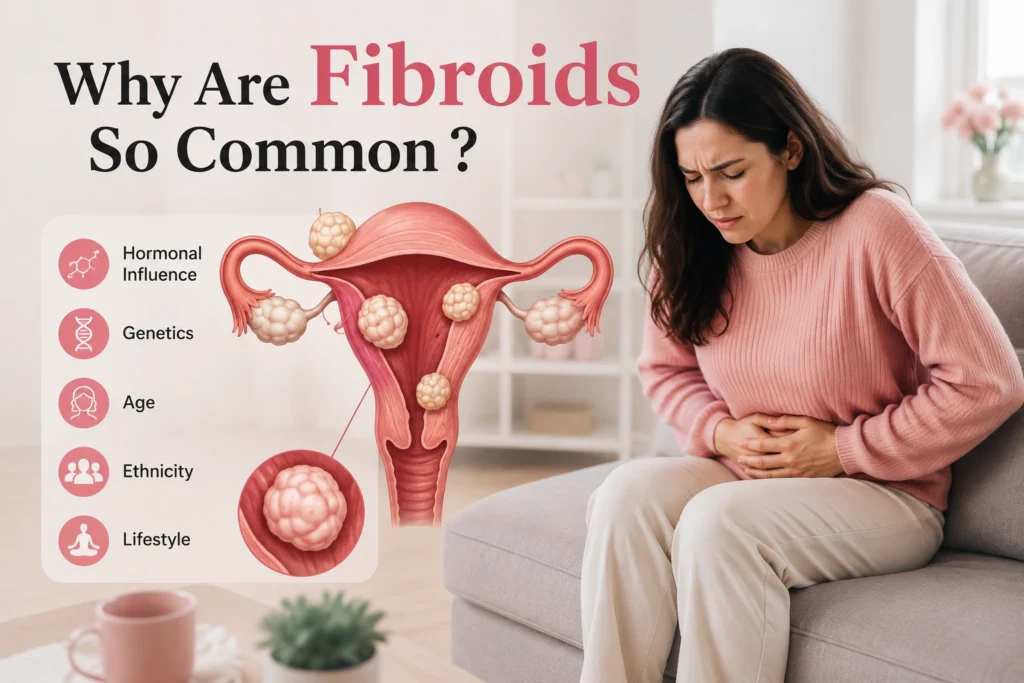
Fibroids are non-cancerous growths in the muscle wall of the uterus. They are extremely common. Up to 80% of women will develop them at some point, most often during their reproductive years. Many cause no symptoms at all. For others, fibroids bring on heavy bleeding, pelvic pain and pressure, frequent urination, and fertility problems.
Hysterectomy became the default answer largely because it was the treatment most surgeons were trained to perform. It works, but it is also the most invasive option, and it ends fertility permanently. Around 600,000 hysterectomies are performed each year in the US alone, and roughly half are for fibroids. Researchers now say this is too high, given how many women were never offered an alternative first.
What’s Changed in the Guidance
The new NEJM paper, and updated guidance from the American College of Obstetricians and Gynecologists, both push the same message: less invasive, uterus-sparing treatment should be discussed and offered before hysterectomy, not after.
The reasoning is not just about avoiding surgery. Research now shows that removing the uterus, even when the ovaries are kept, raises long-term risk of cardiovascular disease, depression, anxiety, and earlier mortality. For many women, the medical case for preserving the uterus is stronger than previously understood.
The Current Best Treatment Options for Fibroids
There is no single best treatment for fibroids. The right option depends on fibroid size and location, how severe your symptoms are, and whether you want to have children in future. Here is what’s currently available.
| Treatment | How it works | Best suited for |
|---|---|---|
| Hormone-releasing IUD (e.g. Mirena) | Reduces heavy bleeding; does not shrink fibroids | Smaller fibroids, bleeding as the main symptom |
| Oral GnRH-based medication (e.g. Ryeqo) | Reduces fibroid size and bleeding through hormone suppression | Women wanting to avoid surgery, with moderate symptoms |
| Uterine artery embolisation (UAE) | Cuts off blood supply to fibroids, causing them to shrink | Multiple or larger fibroids, uterus-sparing preference |
| Radiofrequency ablation | Incisionless; ultrasound-guided energy destroys fibroid tissue | Women wanting a same-day, uterus-sparing procedure |
| MRI-guided focused ultrasound | Non-invasive; sound waves destroy fibroid tissue | Selected cases based on fibroid location and size |
| Myomectomy | Surgical removal of fibroids only, uterus preserved | Women planning future pregnancy, larger or symptomatic fibroids |
| Hysterectomy | Full removal of the uterus | Severe cases where fertility is not a concern and other options have failed |
Why Early Diagnosis Matters More Than People Realise
Fibroids tend to grow slowly, so waiting rarely helps. When fibroids are caught early, they’re usually smaller and simpler to treat, with a wider range of options still available. Left unmonitored, they can grow large enough to limit some of the less invasive treatments, pushing more women toward surgery than necessary.
This is particularly relevant for women who have been told their heavy periods are “just normal.” Heavy or painful bleeding that soaks through protection within an hour, ongoing pelvic pressure, or bleeding that leaves you exhausted are not things to live with. They are reasons to get a scan.
What This Means If You’re in London Weighing Your Options
If you’re looking into uterine fibroids treatment in London, the starting point is the same regardless of which treatment eventually fits: a pelvic ultrasound scan to confirm fibroid size, number, and location, alongside a full discussion of your symptoms and fertility plans.
At Well Women Clinic, Mr Nilesh Agarwal provides full fibroid assessment and treatment, from monitoring and medical management through to myomectomy and other surgical options where appropriate. Every treatment plan is built around the individual patient, not a default pathway. No GP referral is needed, and most patients are seen within a few days.
Key Takeaways
- Uterine fibroids affect up to 70–80% of women by age 50, though many have no symptoms.
- New 2025–2026 clinical guidance recommends uterus-sparing treatment before hysterectomy in most cases.
- Options now include medication, hormone-releasing IUDs, uterine artery embolisation, and incisionless radiofrequency ablation.
- Removing the uterus, even with the ovaries left in place, carries higher long-term risks of heart disease, depression, and anxiety.
- Early diagnosis keeps fibroids smaller and treatment simpler.
- The right treatment depends on fibroid size, location, symptoms, and whether you want to preserve fertility.
- A pelvic ultrasound scan is the starting point for any fibroid treatment plan.
FAQs
Do all fibroids need treatment?
No. Many fibroids cause no symptoms and only need monitoring. Treatment is based on symptoms and fibroid growth, not just presence.
Is hysterectomy still ever the right choice for fibroids?
Yes, in some cases, particularly where fibroids are severe, other treatments haven’t worked, and fertility isn’t a concern. It’s no longer meant to be the automatic first option.
Can fibroids come back after treatment?
New fibroids can develop after some treatments, such as myomectomy or UAE. Hysterectomy is the only option that removes the possibility of new fibroids entirely, since it removes the uterus.
Will fibroid treatment affect my fertility?
It depends on the treatment. Myomectomy and medication generally preserve fertility. Hysterectomy ends it permanently. This should be a central part of any treatment discussion.
How do I know which fibroid treatment is right for me?
This depends on fibroid size, location, symptoms, and your fertility plans. A consultation and pelvic ultrasound scan are the starting point for building a personalised plan.