



Deciding to have an abortion can bring up many questions. You may want to understand the procedure, how long the appointment takes, or what happens after treatment. Understanding what to expect can help you feel prepared and make informed decisions about your care.
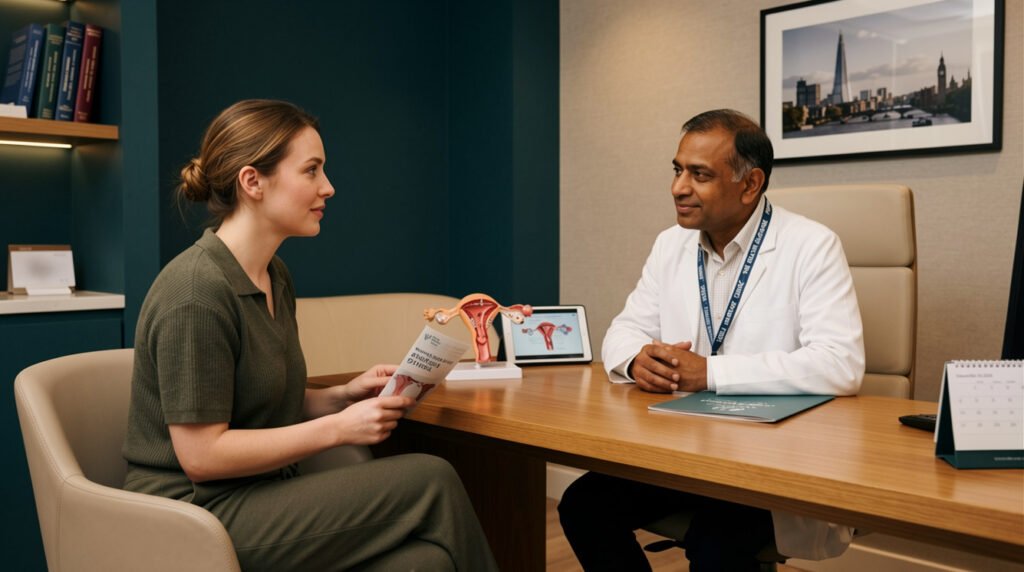
Visiting an abortion clinic in London usually involves an initial consultation, a discussion about available options, and an assessment of your health and pregnancy. The type of care recommended depends on how many weeks pregnant you are, your medical history, and your personal circumstances.
Whether you are considering a medical or surgical procedure, you have the right to receive clear information, ask questions, and make an informed decision without feeling pressured.
What happens during your first visit to an abortion clinic in London?
Your first appointment is generally focused on understanding your health and discussing your options. The healthcare professional will ask questions about your medical history, menstrual cycle, and the date of your last period.
The consultation may include:
- Pregnancy assessment: You may be asked to take a pregnancy test if your pregnancy has not already been confirmed.
- Ultrasound scan: A scan may be recommended to estimate how far the pregnancy has progressed and check its location.
- Medical history: The doctor may ask about existing health conditions, allergies, medicines, and previous pregnancies.
- Available procedures: You will receive information about medical and surgical abortion, depending on your circumstances.
- Questions and concerns: You can discuss pain relief, recovery, possible risks, and any personal concerns.
You should have enough time to understand the information provided. If something is unclear, ask the healthcare professional to explain it before you decide.
Looking for a Gynaecologist in London? Speak to Our Specialist Today
What are the different abortion procedures available?
The two main methods of abortion are medical and surgical. The suitable method depends on the stage of pregnancy, your health, and clinical assessment.
Medical abortion
Medical abortion uses prescribed medicines to end a pregnancy. It generally involves two medicines taken at different times.
The first medicine stops the pregnancy hormone progesterone from supporting the pregnancy. The second medicine causes the womb to contract and pass the pregnancy tissue.
You can generally expect:
- Cramping and vaginal bleeding
- Bleeding that can be heavier than a usual period
- Possible nausea, diarrhoea, or temporary chills
- Follow-up instructions to confirm that the abortion is complete
The process can take several hours after the second medicine, although experiences vary by individual.
Surgical abortion
Surgical abortion involves removing the pregnancy tissue through a procedure performed by a trained healthcare professional. The method used depends on the stage of pregnancy and clinical assessment.
A surgical abortion clinic in London should explain the procedure, pain relief options, and recovery arrangements before treatment.
Common methods include:
- Vacuum aspiration: A gentle suction method used to remove pregnancy tissue, generally during earlier stages of pregnancy.
- Dilation and evacuation (D&E): A procedure that may be used at later stages of pregnancy. It involves preparing and opening the cervix before removing pregnancy tissue using appropriate instruments and suction.
Your doctor will explain which method is suitable and what to expect during the procedure.
What should you expect before a surgical abortion?
If you are considering a surgical procedure, the clinic will explain how to prepare before your appointment. Preparation depends on the type of anaesthesia and the stage of pregnancy.
Before the procedure, you may be asked to:
- Follow instructions about eating and drinking, particularly if general anaesthesia is planned.
- Discuss any medicines you currently take.
- Share details of allergies or existing health conditions.
- Arrange for someone to accompany you home if you receive sedation or general anaesthesia.
- Ask about pain relief and what happens during recovery.
A surgical abortion clinic in London should explain the preparation instructions in advance. Do not stop prescribed medication unless your doctor advises you to.
What happens after an abortion procedure?
Recovery varies from one person to another. The type of procedure, stage of pregnancy, and individual health can affect how you feel afterwards.
Some common experiences include:
- Bleeding: Light or moderate vaginal bleeding can continue for a few weeks.
- Cramping: Mild to moderate abdominal cramps may occur for a few days.
- Tiredness: You may need some rest before returning to your usual routine.
- Emotional changes: People can have different emotional responses. You can ask for support if you feel worried or overwhelmed.
After a private termination of pregnancy, the clinic should provide instructions about pain relief, bleeding, personal care, and follow-up.
Contact a healthcare professional if you experience severe or worsening pain, very heavy bleeding, fever, unusual vaginal discharge, or feel unwell. These symptoms need medical assessment.
What should you know about privacy and confidentiality?
Abortion is a personal healthcare decision. You should be able to discuss your concerns in a private and respectful setting.
Before booking an appointment, you can ask the clinic about:
- How your medical information is stored and protected
- Who can access your consultation records
- Whether you can attend an appointment alone
- What support is available if you have questions after treatment
- How follow-up consultations are arranged
A gynaecologist specialist in London should explain the procedure and answer your questions without judgement. You should also receive clear information about the benefits, risks, and alternatives before deciding how to proceed.
Need Help Choosing the Right Specialist for Your Concern?
How can you prepare for your first appointment?
Preparing a little in advance can make your consultation easier. You do not need to have every answer ready, but some basic information can help the doctor assess your needs.
Before visiting an abortion clinic in London, consider preparing:
- Your last menstrual period date, if you know it
- Any pregnancy test results or previous scan reports
- A list of medicines and supplements you take
- Details of existing medical conditions and allergies
- Questions about the procedure, recovery, and costs
You can also ask whether the consultation and procedure will happen on the same day or require separate appointments. The timing depends on your assessment and the care recommended.
Understanding your options before making a decision
Visiting an abortion clinic involves more than the procedure itself. The initial consultation, medical assessment, explanation of treatment choices, and aftercare all form part of the process. Take time to understand each stage and discuss anything that concerns you.
Whether you are considering a private termination of pregnancy or looking for a surgical abortion clinic in London, choose a registered provider with qualified medical professionals and clear aftercare arrangements. You should feel informed and comfortable with your decision.
Well Women Clinic provides private medical and surgical abortion services under the supervision of consultant gynaecologist Mr Nilesh Agarwal. Women considering a private termination of pregnancy can explore the clinic’s services and book an appointment to discuss their healthcare needs.