



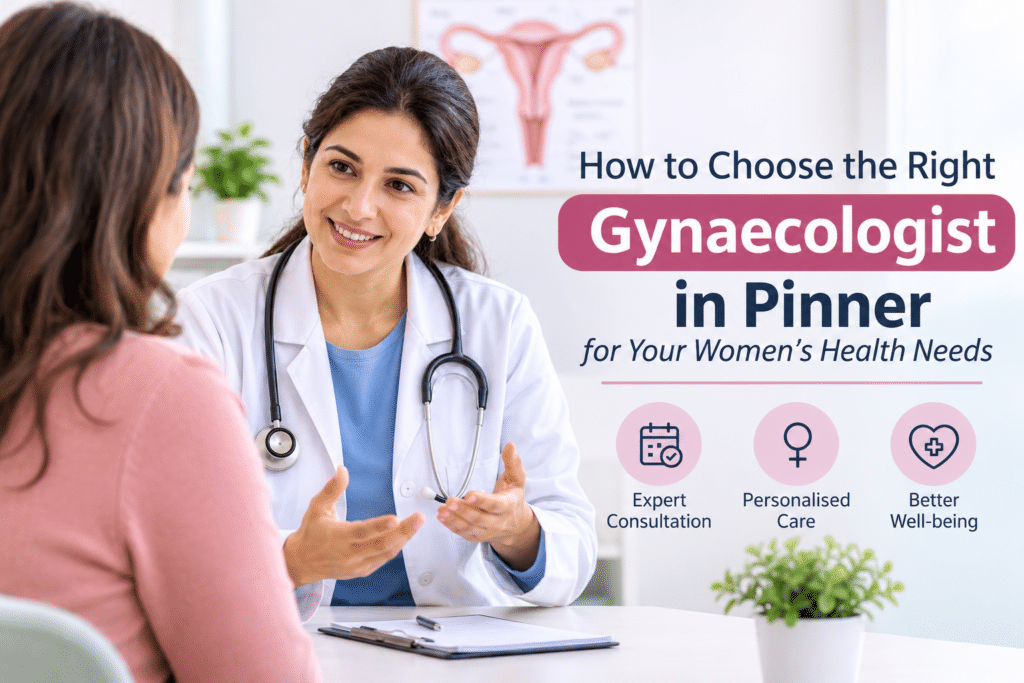
Finding the right gynaecologist is important when you have concerns about your periods, reproductive health, or pregnancy. You need a doctor who understands your symptoms, answers your questions, and explains the available treatment options. Feeling comfortable during consultations also makes it easier to discuss personal health concerns.
If you are looking for a gynaecologist in Pinner, consider more than the clinic’s location. The doctor’s qualifications, experience, range of services, and approach to patient care should also influence your decision. A little research before booking can help you find a specialist who suits your healthcare needs.
What should you check before choosing a gynaecologist?
Start by identifying the reason for your visit. You may need a routine check-up, advice about irregular periods, or an assessment of a specific condition. Your health concern can help you decide what type of experience to look for.
Consider these factors before booking:
- Medical qualifications: Check the doctor’s medical degree, specialist training, and professional registration.
- Relevant experience: Look for experience in assessing concerns similar to yours.
- Range of services: Check whether the clinic provides the consultations and investigations you may need.
- Communication style: The doctor should explain medical information clearly and give you time to ask questions.
- Follow-up arrangements: Find out how test results, further consultations, and ongoing care are managed.
- Clinic location: Consider travel time and appointment availability, especially if you need regular visits.
A doctor who listens carefully and explains your options can make healthcare decisions easier to understand.
Need Help Choosing the Right Specialist for Your Concern?
How can you check a gynaecologist’s qualifications and experience?
A doctor’s qualifications provide information about their medical education and specialist training. Before booking, check their professional background and whether they have experience with your particular health concern.
If you are considering a gynaecologist specialist in London, reviewing the doctor’s professional registration and clinical experience is a useful starting point.
You can check the following details:
| What to check | Why it matters |
| Medical registration | Helps confirm that the doctor is registered to practise in the UK. |
| Specialist training | Provides information about the doctor’s training in gynaecology. |
| Clinical experience | Helps you understand the doctor’s experience in managing your specific concern. |
| Diagnostic approach | Explains how your symptoms may be assessed and investigated. |
| Treatment options | Helps you understand the available care options that the doctor can discuss. |
For example, if you have heavy periods or pelvic discomfort, look for a specialist who regularly assesses menstrual problems and conditions such as fibroids or endometriosis.
Years of experience alone do not determine whether a treatment will work. Your medical history, symptoms, and test results also influence the care recommended.
Which women’s health conditions should your gynaecologist be able to assess?
Gynaecologists assess several conditions affecting the reproductive system. The services you need will depend on your symptoms, age, medical history, and stage of life.
Some common reasons to consult a gynaecologist include:
- Menstrual problems: Heavy bleeding, irregular periods, missed periods, or painful cycles.
- Fibroids: Non-cancerous growths in the uterus that can cause heavy bleeding or pelvic pressure.
- PCOS: A hormonal condition associated with irregular periods and changes in ovulation.
- Endometriosis: A condition in which tissue similar to the uterine lining grows outside the uterus, sometimes causing pelvic pain.
- Fertility concerns: Questions about ovulation, reproductive health, or difficulty becoming pregnant.
- Menopause: Support with symptoms such as hot flushes, sleep changes, and irregular periods.
- Contraception: Guidance about available contraceptive methods and their possible side effects.
Not every symptom requires the same investigation. Depending on your condition, the doctor may suggest a physical examination, blood tests, an ultrasound scan, or other investigations.
When choosing a gynaecologist in Pinner, check whether the specialist can assess your main concern and explain when additional medical care may be necessary.
Why are communication and patient comfort important?
Gynaecological appointments often involve personal discussions about periods, fertility, sexual health, or pregnancy. You should feel comfortable sharing these details without worrying about being judged.
During your first consultation, pay attention to how the doctor communicates. A good consultation should include:
- Active listening: The doctor should give you enough time to explain your symptoms.
- Clear explanations: Medical terms, test results, and treatment choices should be explained in simple language.
- Patient privacy: Your personal and medical information should be handled confidentially.
- Informed consent: The doctor should explain an examination before proceeding and seek your consent.
- Open discussion: You should be able to ask questions about treatment risks, benefits, and alternatives.
Feeling comfortable with your doctor can make it easier to discuss concerns that you might otherwise hesitate to mention.
What should you ask before booking an appointment?
Preparing a few questions can help you understand whether a specialist meets your expectations.
Here are some useful questions to ask:
- Does the doctor have experience with my particular condition?
- What tests or examinations might I need?
- Will I receive an explanation of my test results?
- What treatment options are available?
- Does the treatment plan include follow-up consultations?
- What are the consultation fees and additional charges?
You can also prepare for your appointment by noting your symptoms, when they started, and any medicines you take. Previous medical reports and scan results can also help the doctor understand your health history.
Looking for a Gynaecologist in London? Speak to Our Specialist Today
How can you find a gynaecologist near pinner?
The clinic’s location and appointment arrangements matter, especially if you need regular consultations.
When looking for a gynaecologist in Pinner, check whether the specialist practises within Pinner or at a nearby hospital. Also consider:
- Travel arrangements: Check public transport, parking, and journey time.
- Appointment availability: Find out whether the available timings suit your schedule.
- Consultation fees: Ask about initial and follow-up appointment charges.
- Diagnostic facilities: Check whether they can arrange scans and other investigations.
- Continuity of care: Understand how the practice manages further consultations and treatment reviews.
If you are comparing a gynaecologist specialist in London, do not make your decision based on distance alone. The doctor’s experience, available services, and approach to patient care should also influence your choice.
Making the right choice for your women’s health
Choosing a gynaecologist requires some thought. Before booking, check the doctor’s qualifications, experience, available services, and communication style. You should also understand the consultation process, potential costs, and follow-up arrangements.
The right specialist will listen to your concerns, explain your options, and involve you in treatment decisions. Taking time to compare these factors can help you feel more confident about seeking medical advice.
Well Women Clinic provides private gynaecology consultations near Pinner at Clementine Churchill Hospital in Harrow. Women looking for support with fibroids, menstrual problems, fertility, and other gynaecological concerns can explore its services and book an appointment.