



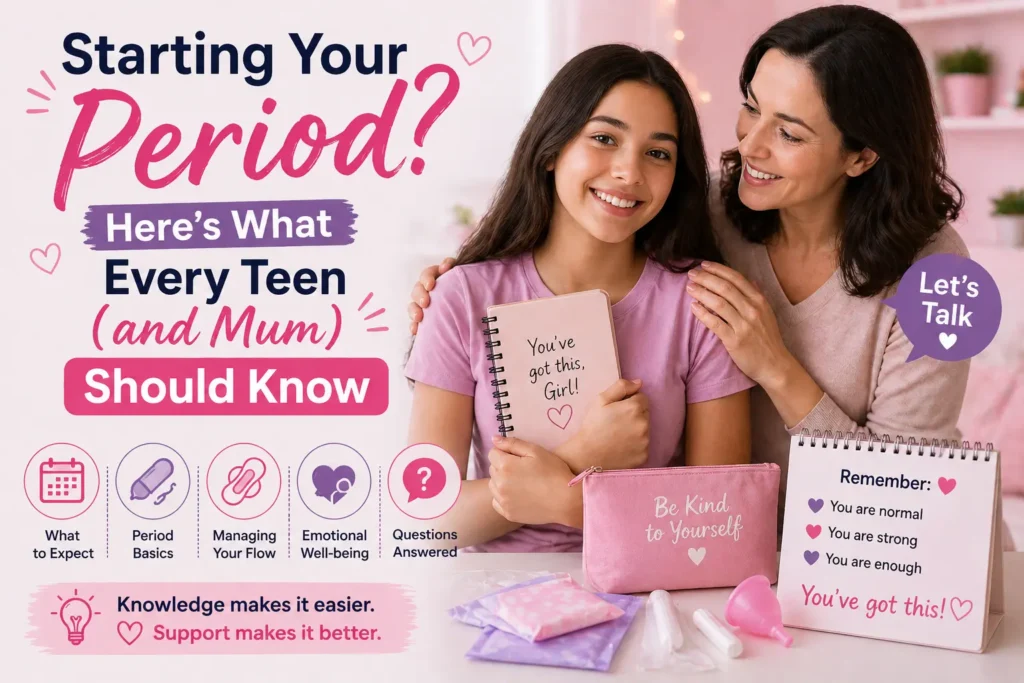
A simple guide for teens on managing their first period, from using pads to understanding when to seek help.
Starting your first period is a natural part of growing up. It is a sign that the body is changing and developing normally. For many teens, this experience can feel new, confusing, or even a little worrying.
Understanding what to expect and how to manage these changes can make the experience much easier. From knowing how to use pads to learning simple care tips, having the right information can help build confidence and comfort.
If there are any concerns or unusual symptoms, guidance from a gynaecologist in Bushey can provide clarity and support. The following sections explain everything in a simple way to help teens feel prepared and informed.
What to Expect During Your First Period
Starting your first period can feel new, but knowing what to expect can make it easier to manage. Here are some common things teens may notice:
- Light to Moderate Bleeding: The flow is usually light in the beginning and may last between 2 to 7 days. The colour can vary from brown to red, which is completely normal.
- Irregular Cycles at First: Periods may not come at the same time every month at first. It can take some time for the cycle to become regular.
- Mild Cramps or Discomfort: Some teens may feel pain in the lower abdomen or back. This is common and usually manageable.
- Changes in Mood or Energy: Feeling slightly tired or experiencing mood changes can happen due to hormonal shifts.
- Different Flow Each Day: The bleeding may be lighter on some days and slightly heavier on others. This variation is normal.
Understanding these changes can help reduce confusion and make the first period feel less overwhelming. Over time, it becomes easier to recognise what is normal for your body.
How to Use Pads for the First Time
Learning how to use pads for the first time is one of the most important steps in managing periods comfortably and hygienically. Pads are simple to use and are often recommended for beginners.
- Choose the Right Pad: Start with a regular or medium-flow pad. These are comfortable and suitable for most first periods.
- Placing the Pad: Remove the paper backing from the pad and stick it firmly onto the centre of your underwear. If the pad has wings, fold them over the sides to keep it in place.
- Changing the Pad: Pads should be changed every 4–6 hours, or sooner if they feel full. This helps maintain hygiene and prevents discomfort or leakage.
- Disposal: After use, wrap the pad in paper or a disposal bag and throw it in a bin. Do not flush pads, as they can block toilets.
- Maintain Hygiene: Always wash your hands before and after changing a pad. Keeping the area clean and dry helps prevent irritation.
It may take a little time to get used to using pads, but with practice, it becomes easy and comfortable. Choosing the right size and changing regularly can help teens feel more confident during their period.
Tips for Teens Starting Their Period
Starting your period can feel new, but a few simple habits can make the experience more comfortable and manageable. These tips can help teens feel more prepared and confident:
- Maintain Good Hygiene:
Changing pads regularly (every 4–6 hours) is important to stay clean and prevent discomfort or infections. Washing the intimate area with water and keeping it dry can help avoid irritation and maintain comfort throughout the day.
- Wear Comfortable Clothing:
Choosing breathable and comfortable clothes, especially cotton underwear, can make a big difference during periods. Tight or non-breathable fabrics may cause discomfort, especially on heavier flow days.
- Manage Cramps in Simple Ways:
Mild cramps are common during periods. Using a warm compress or heating pad on the lower abdomen can provide relief. Light movement, such as stretching or a short walk, can also help reduce discomfort.
- Eat Balanced Meals and Stay Hydrated:
A healthy diet supports the body during periods. Eating fruits, vegetables, and iron-rich foods can help maintain energy levels. Drinking enough water can reduce bloating and help the body feel better.
- Track Your Period Cycle:
Keeping track of when your period starts and ends helps you better understand your cycle. This can be done using a simple calendar or a mobile app. Over time, it becomes easier to predict when the next period may begin.
- Be Prepared When Going Out:
Carrying a small period kit with essentials like pads and tissues helps avoid stress, especially during school or travel. Being prepared makes managing periods outside the home much easier.
- Do Not Feel Embarrassed:
Periods are a normal part of life. It is important to feel comfortable talking with a parent, guardian, or trusted adult about them if there are any doubts or concerns. Open conversations can help reduce fear and confusion.
- Listen to Your Body:
Every person’s experience is different. Paying attention to how the body feels during periods helps in understanding what is normal and when something may need attention.
What to Keep in Your First Period Kit
Having a small kit ready can make managing periods outside the home much easier. These first period kit essentials for beginners help teens stay prepared and comfortable at school, during travel, or during daily activities:
- Sanitary Pads: Carry 2–3 pads to ensure a backup when needed. Choosing the right size based on flow helps prevent leakage.
- Extra Underwear: Keeping a spare pair is helpful in case of unexpected stains or discomfort.
- Tissues or Wet Wipes: Useful for quick clean-ups and maintaining hygiene when changing pads.
- Disposal Bags: Small paper or plastic bags can be used to wrap used pads before throwing them in a bin.
- Hand Sanitiser: Helps maintain hygiene when soap and water are not easily available.
Keeping these items in a small pouch makes it easy to carry and reduces stress during periods. Being prepared can help teens feel more confident and in control throughout the day.
When Periods May Need Medical Attention
While periods are a normal part of growing up, there are times when certain symptoms should not be ignored. Recognising these early can help in getting the right care when needed:
- Very Heavy Bleeding: If a pad needs to be changed every 1–2 hours or if bleeding feels excessive, seek medical attention. In such cases, options for a cure for heavy periods can be discussed with a doctor.
- Severe Pain: Mild cramps are common, but intense pain that affects daily activities is not normal and should be checked.
- Periods Lasting Too Long: Bleeding that continues for more than 7–8 days may need evaluation.
- Very Irregular Cycles After Initial Years: While irregularity is common at first, periods that remain unpredictable over time may need attention.
- Feeling Weak or Dizzy: This could be a sign of heavy blood loss and should not be ignored.
If any of these symptoms are noticed, seeking guidance for heavy periods treatment in London can help identify the cause and manage the condition safely. Early care can make a significant difference in overall health and comfort.
When to Consult a Specialist
While most teens adjust to their periods over time, some situations may need medical guidance. If symptoms feel unusual or start affecting daily life, it is important not to ignore them.
- Ongoing Heavy Bleeding: If periods continue to be very heavy, it is important to explore the right treatment for heavy periods in London to manage the condition safely.
- Severe or Worsening Pain: Pain that does not improve with simple care methods should be checked by a doctor.
- Periods Affecting Daily Activities: If school, sleep, or daily routine is regularly disrupted, it may be a sign that further support is needed.
- Long-Term Irregular Cycles: If periods do not settle into a pattern after a few years, a consultation can help understand the cause.
Seeking advice from a qualified gynaecologist in Bushey can help identify any underlying concerns early and provide the right care. Early guidance ensures better comfort, confidence, and long-term health.
A Simple Step Towards Better Period Health
Starting a period is a natural milestone, and with the right knowledge and habits, it becomes much easier to manage. Understanding what is normal, staying prepared, and knowing when to seek help can make a big difference in how teens experience their periods.
For those who may need additional support, Well Women Clinic offers professional and compassionate care tailored to women’s health needs. From guidance on early menstrual concerns to support for conditions requiring heavy period treatment in London, their team focuses on safe, personalised care.
Book a consultation to receive the right advice and support for better menstrual health.