



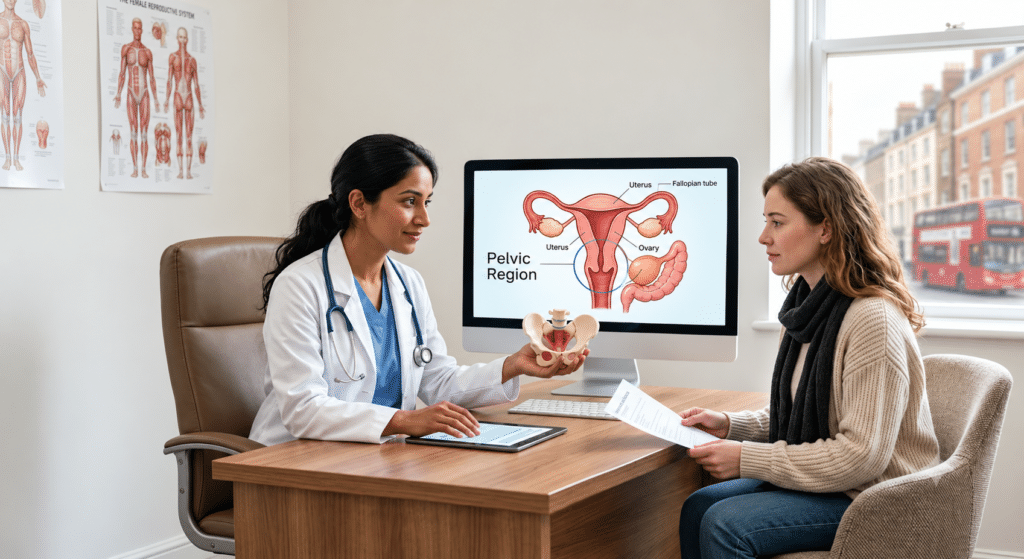
Pelvic pain can affect daily life in many ways. It may cause discomfort during periods, pain during sex, or a constant ache in the lower abdomen. For some women, the pain comes and goes. For others, it may last for weeks or return every month. Knowing when to seek help and what happens during a consultation can make the first visit less stressful.
A visit to a specialist is an opportunity to discuss your symptoms, understand what might be causing them, and explore suitable treatment options. You don’t need to wait until the pain becomes severe to seek medical advice.
If you are considering a pelvic pain clinic in London, knowing what to expect can help you prepare for the appointment and feel more comfortable discussing your concerns.
Why might you need to visit a pelvic pain specialist?
Pelvic pain can stem from several causes, and their symptoms may overlap. The pain may come from the reproductive organs, bladder, bowel or pelvic floor muscles. A specialist can help assess these symptoms and decide whether further tests are needed.
Common reasons to schedule an appointment include:
- Painful or heavy periods that affect your daily routine
- Pain during or after sexual intercourse
- Persistent discomfort in the lower abdomen or pelvis
- Pain linked to urination or bowel movements
- Unusual bleeding between periods
- Pelvic pain alongside difficulty conceiving
Conditions such as endometriosis, fibroids, ovarian cysts and pelvic infections may cause pain. Visiting a pelvic pain clinic in London can help you understand possible causes and discuss next steps.
What happens during your first consultation?
Your first appointment usually begins with a conversation. The doctor will ask about your symptoms and medical history, then decide whether you need an examination or further tests.
If you visit a private gynaecologist in London, you can expect the consultation to cover several areas.
- Discussion about your symptoms
The doctor may ask when, where, and how often the pain occurs. They may also ask if it gets worse during your period, after sex, or when you use the toilet.
- Review of your medical history
You may be asked about your menstrual cycle, previous pregnancies, surgeries, medicines and any earlier investigations. Tell us which treatments you’ve tried and whether they worked.
- Discussion of your daily life
Pelvic pain can affect sleep, work, exercise and relationships. Explain how the discomfort affects your routine, even if the symptoms seem mild.
- Time to ask questions
You can ask what may be causing the pain, whether you need further tests, and which treatments might be suitable. If something is unclear, ask the doctor to explain it in simple terms.
Will you need a pelvic examination or scan?
Not every consultation requires a physical examination. Your doctor will consider your symptoms and medical history before recommending one.
If a doctor suggests an examination, they should explain its purpose and what it involves. You can ask questions, discuss any concerns, and ask to pause the process if you feel uncomfortable.
Your assessment may include the following, depending on your symptoms:
| Assessment | What it may help identify |
| Abdominal examination | Tenderness, swelling or areas of discomfort |
| Pelvic examination | Possible signs of tenderness or changes in the pelvic area |
| Ultrasound scan | Changes involving the uterus, ovaries or other pelvic structures |
| Blood or urine tests | Possible signs of infection or other health concerns |
Your doctor may recommend additional tests based on the initial findings. An ultrasound, for example, can help identify fibroids or ovarian cysts, but it may not explain every cause of pelvic pain.
A gynaecologist specialist in London can explain why a particular test is being considered and what its results may mean for your care.
How can you prepare for your appointment?
A little preparation can help you explain your symptoms clearly and make good use of your consultation time.
Before visiting a pelvic pain clinic in London, consider making a note of the following:
- Pain pattern: Record when the pain occurs, how long it lasts and whether it comes and goes
- Menstrual cycle: Note your period dates, bleeding pattern and any changes in cramps
- Other symptoms: Mention bloating, unusual discharge, fever, urinary discomfort or bowel changes
- Previous treatment: List medicines, tests or treatments you have already tried
- Medical history: Bring relevant reports and details of previous procedures
- Questions: Write down anything you want the specialist to explain
You do not need to have every detail ready. Even a basic record of when the pain occurs can help the doctor understand your concerns.
How is a treatment plan decided?
Treatment depends on the cause of the pain, its severity, and how it affects your life. No single approach suits every patient.
After reviewing your symptoms and test results, a gynaecologist specialist in London may discuss options such as:
- Medication: Depending on the cause, medicines may help manage pain, treat an infection or control certain symptoms
- Hormonal treatment: This may be considered for some conditions linked to the menstrual cycle
- Further investigations: Additional scans or tests may be needed if the cause remains unclear
- Surgical options: Surgery may be discussed for certain conditions when appropriate
- Follow-up care: Further appointments can help review symptoms, test results and treatment progress
Your doctor should explain the potential benefits, risks and limitations of the suggested options. You can also discuss future pregnancy plans, concerns about side effects and how treatment may affect your daily routine.
When should you seek urgent medical help?
If you develop sudden or severe pelvic pain, seek care right away rather than waiting for a routine appointment. Seek urgent medical help if the pain is getting worse, you feel faint, you have heavy vaginal bleeding, or you may be pregnant and have pelvic pain.
Fever, vomiting, unusual bleeding or difficulty passing urine may also need prompt medical assessment. If your symptoms are severe or you feel faint, seek emergency care.
For less urgent but persistent pain, arrange a medical review rather than assuming the discomfort is a normal part of your menstrual cycle. The NHS provides guidance on pelvic pain and when to seek medical help.
Take the first step towards understanding pelvic pain
A pelvic pain consultation helps you discuss your symptoms, understand possible causes and learn which tests or treatments may be appropriate. Preparing a few notes and asking questions can make the appointment easier to manage. You should feel comfortable sharing your concerns and understanding each step of your care.
Well Women Clinic offers specialist gynaecological care for women experiencing pelvic pain and related concerns. Its approach focuses on assessing individual symptoms and discussing suitable care options.
If pelvic pain is affecting your comfort or daily routine, book an appointment with Well Women Clinic to discuss your symptoms with a specialist.