



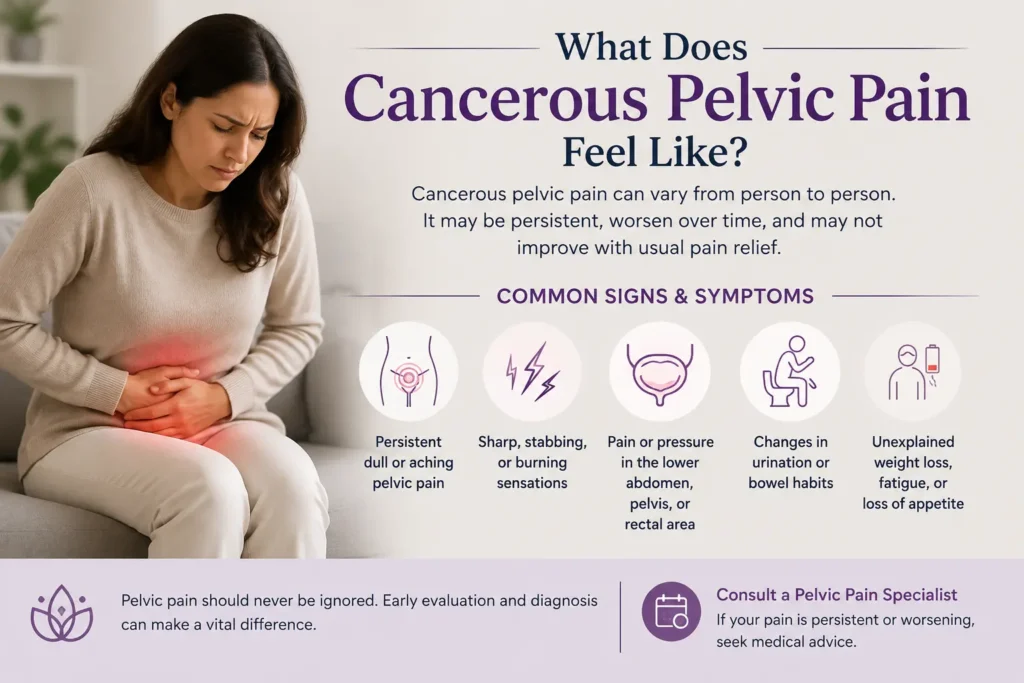
Pelvic pain is a common concern among women, but not all pelvic pain is the same. In many cases, it may be linked to harmless conditions such as hormonal changes, ovulation, or mild infections. However, persistent or unusual pelvic pain can sometimes be associated with more serious conditions, including gynaecological cancers. Understanding what cancerous pelvic pain feels like—and how it differs from other causes of discomfort—is essential for early detection and timely treatment.
In this article, we explore the nature of cancer-related pelvic pain, common warning signs, and when to seek medical evaluation. We also cover related concerns such as pelvic pain in women causes, chronic pelvic pain treatment London, pelvic pain endometriosis, and the role of a pelvic ultrasound scan London in diagnosis.
Understanding Pelvic Pain in Women
Pelvic pain refers to discomfort felt in the lower abdomen, below the belly button and between the hips. It may be sharp or dull, constant or intermittent, mild or severe. Because the pelvis contains reproductive organs, bladder, bowel, and nerves, identifying the exact cause can sometimes be complex.
Common pelvic pain in women causes include:
- Menstrual cramps
- Ovulation pain
- Urinary tract infections
- Endometriosis
- Ovarian cysts
- Fibroids
- Pelvic inflammatory disease (PID)
Most of these conditions are treatable and not life-threatening. However, persistent or worsening pain should never be ignored.
What Does Cancerous Pelvic Pain Feel Like?
Cancer-related pelvic pain often develops gradually and may feel different from typical menstrual or digestive pain. While every woman’s experience is unique, some common characteristics include:
- Persistent and Progressive Pain
Unlike period pain, which comes and goes, cancerous pelvic pain is often continuous and slowly worsens over time. It may start as mild discomfort and gradually become more noticeable.
- Deep, Dull Ache
Many women describe it as a deep, heavy, or dull ache in the lower abdomen or pelvis. It may feel like pressure or fullness rather than sharp cramps.
- Pain ThatDoesn’tRespond Well to Medication
Normal painkillers or home remedies often provide limited relief. The pain tends to persist despite rest or over-the-counter medication.
- Pain During Intercourse
Painful sexual intercourse (dyspareunia) can sometimes be a symptom of underlying gynaecological cancer, especially when it is new or worsening.
- Lower Back or Radiating Pain
Cancerous pelvic pain may spread to the lower back, hips, or thighs. This happens when the tumour affects nearby nerves or tissues.
- Accompanied by Other Symptoms
Pelvic pain linked to cancer is rarely isolated. It is often accompanied by:
- Unexplained weight loss
- Abnormal vaginal bleeding
- Bloating or abdominal swelling
- Loss of appetite
- Fatigue
- Changes in bladder or bowel habits
If pelvic pain occurs alongside these symptoms, medical evaluation is essential.
Pelvic Pain in Women Causes: When to Be Concerned
While cancer is a serious cause, it is relatively rare compared to other conditions. More commonly, pelvic pain in women causes include:
Endometriosis
A condition where tissue similar to the uterine lining grows outside the uterus. It can cause severe cramping, chronic pelvic pain, and infertility issues. Many patients seek pelvic pain endometriosis treatment due to long-term discomfort and quality-of-life impact.
Ovarian Cysts
Fluid-filled sacs in the ovaries that can cause sharp or dull pain, especially if they rupture or grow large.
Fibroids
Non-cancerous growths in the uterus that can cause heavy periods and pressure in the pelvic area.
Pelvic Inflammatory Disease (PID)
An infection of the reproductive organs that can lead to long-term pain if untreated.
Chronic Pelvic Pain Treatment London Options
For women experiencing long-term discomfort, chronic pelvic pain treatment London clinics offer advanced diagnostic and management options. Treatment depends on the underlying cause and may include:
- Pain management medication
- Hormonal therapy
- Physiotherapy for pelvic floor muscles
- Antibiotics (if infection is present)
- Laparoscopic surgery for endometriosis or adhesions
- Lifestyle and dietary adjustments
Specialist clinics in London often take a multidisciplinary approach, involving gynaecologists, pain specialists, and physiotherapists to improve long-term outcomes.
Pelvic Pain Endometriosis: A Common but Underdiagnosed Condition
Endometriosis is one of the leading causes of chronic pelvic pain in women. The condition can significantly impact daily life and may mimic other serious conditions.
Typical symptoms include:
- Severe period pain
- Pain during or after intercourse
- Chronic pelvic discomfort
- Heavy menstrual bleeding
- Fertility issues
Because symptoms overlap with other conditions, many women undergo delayed diagnosis. In such cases, imaging and specialist evaluation are crucial.
Role of Pelvic Ultrasound Scan London in Diagnosis
A pelvic ultrasound scan London is often the first diagnostic step when investigating unexplained pelvic pain. It is a non-invasive, painless imaging test that helps doctors examine:
- Uterus
- Ovaries
- Fallopian tubes
- Bladder
- Pelvic lining
This scan can help identify:
- Ovarian cysts
- Fibroids
- Signs of endometriosis
- Abnormal growths or masses
While ultrasound cannot always confirm cancer, it plays a vital role in detecting abnormalities that require further testing, such as MRI or biopsy.
When Should You Seek Medical Attention?
You should consult a doctor if pelvic pain:
- Persists for more than a few weeks
- Becomes progressively worse
- Occurs with abnormal bleeding
- Is associated with bloating or weight loss
- Affects daily activities or sleep
Early evaluation is especially important for ruling out serious conditions and starting appropriate treatment.
Diagnosis and Next Steps
If cancer is suspected, doctors may recommend:
- Pelvic examination
- Pelvic ultrasound scan London
- Blood tests (including tumour markers)
- MRI or CT scans
- Biopsy for confirmation
Early diagnosis significantly improves treatment outcomes, which is why persistent symptoms should not be ignored.
Conclusion
Cancerous pelvic pain often feels persistent, deep, and progressively worsening, and is usually accompanied by other warning signs such as abnormal bleeding, bloating, and fatigue. However, most pelvic pain in women causes are related to non-cancerous conditions like endometriosis, fibroids, or infections.
If you experience ongoing discomfort, seeking timely evaluation through chronic pelvic pain treatment London services or a pelvic ultrasound scan London can help identify the cause early and ensure appropriate care.
Understanding your symptoms, especially in conditions like pelvic pain endometriosis, is key to protecting long-term reproductive health and overall well-being.