



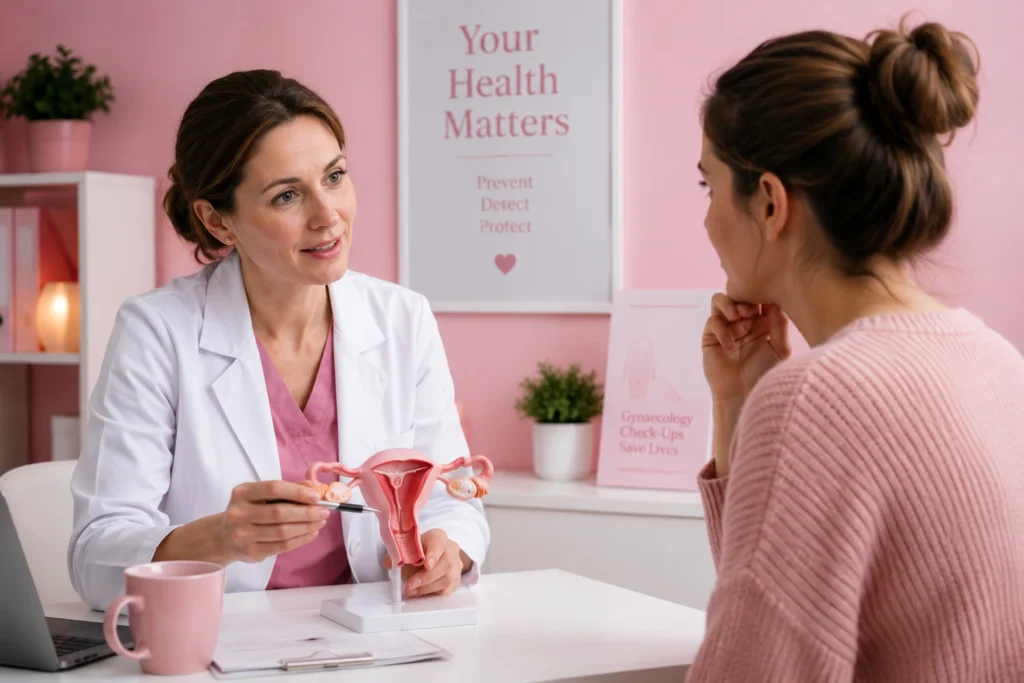
Pelvic pain is often ignored or called “normal,” but it isn’t always that simple. Here’s what every woman should know to understand the signs and seek the right care at the right time.
Pelvic pain is something many women experience at some point, yet it is often dismissed as a normal part of the menstrual cycle. For some, the discomfort is occasional. For others, it becomes a recurring concern that starts to affect daily life.
The problem is, not all pelvic pain is “normal.” When it becomes frequent, intense, or appears outside of periods, it may be a sign that the body needs attention.
At Well Women Clinic, the focus is on helping women understand these early signs rather than ignore them. With the right support and access to care, such as pelvic pain treatment, identifying the cause becomes easier and more manageable.
This blog will help you understand when pelvic pain should not be ignored, what it could mean, and what every woman should know to take better control of her health.
What is Pelvic Pain?
Pelvic pain refers to discomfort felt in the lower abdomen, below the belly button. It is not the same for everyone, and how it feels can differ from person to person.
Some women describe it as a dull ache that lingers, while others may feel sharp or sudden pain. It can come and go, or stay for longer periods. In some cases, it may appear only during periods, while in others, it can occur at any time during the cycle.
Because the experience varies so much, pelvic pain is often misunderstood or ignored. Paying attention to how often it happens and how it feels can help in understanding whether it needs medical attention.
When is Pelvic Pain Considered ‘Not Normal’?
It is easy to assume that pelvic pain is just part of the cycle. But certain patterns can indicate that further checks are needed.
Pain may not be considered normal if it:
- Continues for several days without relief
- Feels stronger than usual or keeps increasing
- Starts affecting daily activities like work or sleep
- Occurs even when you are not on your period
In such situations, simply managing the discomfort may not be enough. Exploring the right pelvic pain treatment options becomes important to address the cause rather than just the symptom.
Recognising these signs early helps take timely action and avoid unnecessary discomfort later.
What Every Woman Should Know About Pelvic Pain
Pelvic pain is often normalised, but there are a few important things every woman should be aware of:
- It is not always linked to periods
Pain can occur at any time during the cycle. If it shows up outside your periods, it should not be ignored.
- Ongoing pain is not something to adjust to
Discomfort that keeps returning is a sign that the body needs attention, not something to tolerate.
- Ignoring symptoms can delay proper care
Waiting too long can make diagnosis and treatment more complicated than it needs to be.
- It can be connected to underlying health conditions
Issues like PCOS, cysts, or other reproductive concerns may present through pelvic pain.
- Early evaluation makes a difference
Getting checked at the right time helps manage the condition more effectively and leads to better outcomes.
This awareness helps women move from ignoring pain to understanding it, which is the first step towards better care.
Common Causes Behind Pelvic Pain
Pelvic pain can have different causes, and understanding them helps in choosing the right care:
- Hormonal changes
Fluctuations in hormones during the cycle can lead to discomfort or cramping, even outside regular periods.
- Ovarian cysts
Small fluid-filled sacs on the ovaries can sometimes cause pain, especially if they grow or rupture.
- PCOS (Polycystic Ovary Syndrome)
Hormonal imbalance in PCOS can lead to irregular cycles along with pelvic discomfort.
- Endometriosis
A condition where tissue grows outside the uterus, often causing intense pain during or between periods.
- Fibroids
Non-cancerous growths in the uterus may lead to pressure, heavy bleeding, and pain.
- Infections
Certain infections in the reproductive organs can also cause ongoing pelvic discomfort.
Understanding these causes is the first step toward choosing the right pelvic pain treatment instead of managing symptoms on your own.
Signs You Should Not Ignore
Some symptoms, along with pelvic pain, may indicate the need for medical attention:
- Pain during or after intercourse
This may point to underlying conditions that require proper evaluation.
- Discomfort while urinating or during bowel movements
Pain linked to these functions should not be overlooked.
- Heavy or irregular periods
Changes in menstrual flow along with pain can signal hormonal or structural issues.
- Difficulty in conceiving
Pelvic pain combined with fertility concerns may need further investigation, including a pelvic fertility scan.
- Frequent or worsening pain
If the pain becomes more intense or occurs more often, it is a clear sign that you should seek help.
Recognising these signs early can help with timely diagnosis and access to the right care, including options such as a pelvic scan in London for a clearer understanding of the condition.
How Pelvic Pain is Diagnosed
Understanding the cause of pelvic pain starts with the right evaluation. Since symptoms can overlap, diagnosis focuses on getting a clear and accurate picture.
- Detailed medical history
The doctor may ask about your pain pattern, menstrual cycle, and overall health to better understand your concern.
- Physical examination
A basic check helps identify areas of tenderness or discomfort.
- Imaging tests
A pelvic scan in London is commonly used to look at the uterus and ovaries. It helps detect cysts, fibroids, or other changes.
- Advanced assessment when needed
In some cases, a pelvic fertility scan may be advised to evaluate reproductive health in more detail.
Proper diagnosis ensures that treatment is not based on guesswork but on clear medical findings, making care more effective and targeted.
Treatment Options Available
The right treatment depends on what is causing the pain. Since pelvic pain can have different reasons, the approach is usually personalised rather than fixed.
- Medication support
Medicines may be used to reduce pain, control infection, or manage symptoms effectively.
- Hormonal management
In cases linked to hormonal imbalance, treatment may help regulate cycles and reduce discomfort.
- Lifestyle adjustments
Simple changes like diet, activity, and stress management can support overall reproductive health.
- Specialised care
In some cases, targeted pelvic pain treatment may be recommended to address the root cause more directly.
With the right approach, symptoms can be managed and controlled over time without relying on temporary relief.
When Should You Consider Expert Help?
It is important to know when self-management is no longer enough, and expert care is needed.
- Pain that keeps returning
If discomfort becomes a regular pattern, it needs to be properly evaluated.
- Symptoms affecting daily routine
When pain starts interfering with work, sleep, or normal activities, it should not be delayed.
- No improvement with basic remedies
If usual methods do not provide relief, the cause needs to be identified.
- Concerns related to fertility or cycles
Changes in periods or difficulty conceiving should be assessed by a specialist.
Final Section
Don’t Normalise the Pain. Seeking help at the right time, especially from a pelvic pain clinic, can lead to early diagnosis and better outcomes. For those looking for expert care in pelvic pain in London, consulting a specialist ensures the right direction for treatment and long-term relief.
Pelvic pain is often normalised, but it should not become something you simply adjust to. When discomfort keeps returning or starts affecting your routine, it is a clear sign that your body needs attention.
Not every case is serious, but every recurring symptom deserves to be understood. Ignoring it can delay the right diagnosis and make management more difficult over time.
At Well Women Clinic, the focus is on identifying the exact cause through detailed evaluation and supportive care. With access to the right pelvic pain treatment, women are guided towards solutions that are tailored to their needs, not just temporary relief.
For those experiencing ongoing discomfort, seeking expert advice from Well Women Clinic, a trusted pelvic pain clinic, can make a meaningful difference. Their right care at the right time helps manage symptoms more effectively and improve overall wellbeing.
If pelvic pain has been something you’ve been putting off, it may be time to take that step forward and book a consultation with a trusted private gynaecologist London patients rely on for expert women’s health care