



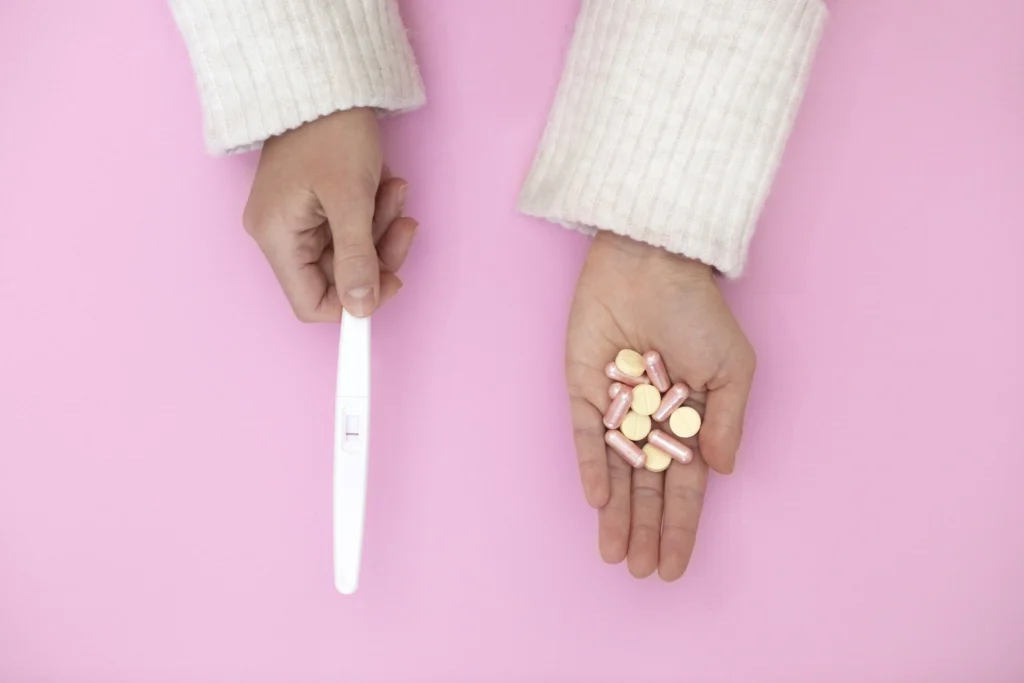
Worried about getting pregnant on birth control? This guide explains how it can happen and what you can do to stay protected.
Using the pill is one of the most common ways to prevent pregnancy. Millions rely on it for its convenience and effectiveness. Yet, many still wonder if it’s truly foolproof and fear getting pregnant on birth control.
No birth control method is 100% guaranteed. Even when taken correctly, certain factors can reduce its effectiveness. Understanding how the pill works and what can go wrong helps you stay protected.
This blog will guide you through the risks, common mistakes, and practical steps to prevent unintended pregnancy. By knowing what to watch for, you can confidently manage your reproductive health.
How Birth Control Pills Work
Birth control pills prevent pregnancy primarily through hormones that control your menstrual cycle. Understanding their mechanism can help explain why getting pregnant on birth control is still possible.
- Stop ovulation: The hormones in the pill prevent the ovaries from releasing an egg each month. Without an egg, fertilization cannot occur.
- Thicken cervical mucus: Pills make cervical mucus thicker, making it harder for sperm to reach an egg.
- Alter the uterine lining: The uterine lining becomes less receptive to a fertilized egg, reducing the likelihood of implantation.
When taken consistently and correctly, pills are highly effective. However, missing doses or other interfering factors can reduce this protection, which we will explore in the next section.
Factors That Can Lead to Pregnancy on the Pill
Even though the pill is highly effective, certain factors can increase the chance of getting pregnant on birth control . Knowing these helps you stay protected:
- Missed Doses: Skipping one or more pills can allow ovulation to occur, increasing pregnancy risk.
- Medication Interactions: Some antibiotics, anti-seizure drugs, and herbal supplements can reduce the pill’s effectiveness.
- Timing Errors: Taking pills at inconsistent times, especially for progestin-only options, can lower protection.
- Digestive Issues: Vomiting or severe diarrhoea shortly after taking the pill can prevent full absorption of hormones.
- Lifestyle Factors: High stress or significant changes in routine may indirectly affect how consistently the pill is taken.
Being aware of these factors and taking preventive measures can greatly reduce the risk of unintended pregnancy. Staying informed about how the pill works and your own habits ensures you remain fully protected.
Symptoms to Watch for If You Suspect Pregnancy
Early signs of pregnancy can appear, even if you’re on the pill. Recognizing these symptoms can help you act quickly if needed.
- Missed or Late Periods: A delayed period is often the first sign, even if you’ve been taking the pill correctly.
- Spotting or Light Bleeding: Some may experience unusual spotting that differs from regular periods.
- Nausea or Morning Sickness: Feeling queasy, especially in the mornings, can indicate early pregnancy.
- Breast Changes: Tenderness, swelling, or sensitivity may appear as hormones shift.
- Fatigue: Unusual tiredness beyond your normal routine can also be a subtle signal.
Noticing one or more of these symptoms doesn’t always confirm pregnancy, but it’s important to follow up with a test or healthcare professional for clarity.
What to Do If You Think You’re Pregnant
If you suspect you might be pregnant on birth control, knowing the right steps can help you act quickly and confidently. Start by confirming, then move on to guidance and next steps.
- Confirm with a Test
- Take a home pregnancy test after a missed period for reliable results.
- Read and follow the directions closely to ensure accurate results.
- Seek Professional Guidance
- Contact a doctor or nurse to confirm pregnancy through a medical test.
- Discuss options, next steps, and any concerns you may have.
- Review Your Pill Routine
- Check for missed doses or medication interactions that could have reduced effectiveness.
- Keep a note of any symptoms or unusual changes.
- Stay Calm and Informed
- Take deep breaths and avoid panic; stress won’t change the outcome.
- Focus on understanding your situation and planning your next steps responsibly.
Preventing Pregnancy on the Pill
Staying protected while using the pill requires consistency and awareness. Even small mistakes can reduce its effectiveness, so following simple habits can make a big difference.
- Consistently take your pill at the same time every day to maintain full protection.”
- Use a backup method like condoms if you miss a pill or experience digestive issues.
- Check for interactions with other medications that may lower the pill’s effectiveness.
- Keep a pill tracker or reminder to ensure consistent intake.
- Consult your healthcare provider if you notice irregularities or side effects.
By following these steps, you can significantly reduce the chances of getting pregnant on birth control and maintain confidence in your chosen method. Staying informed and proactive is the key to effective protection.
Expert Support for Your Reproductive Health
Even when taken correctly, birth control isn’t 100% foolproof, as certain factors can reduce its effectiveness. A consultation with a gynaecologist specialist in London can help you understand these risks and provide practical guidance to stay protected and avoid unintended surprises.
For personalized advice and expert guidance, Well Women Clinic provides support to help you manage your reproductive health safely and confidently. Our professionals can clarify any doubts and guide you on the best birth control practices.
You can rely on us for guidance and care every step of the way. Our team ensures you have the information, care, and guidance needed to make informed decisions about your health and well-being
