



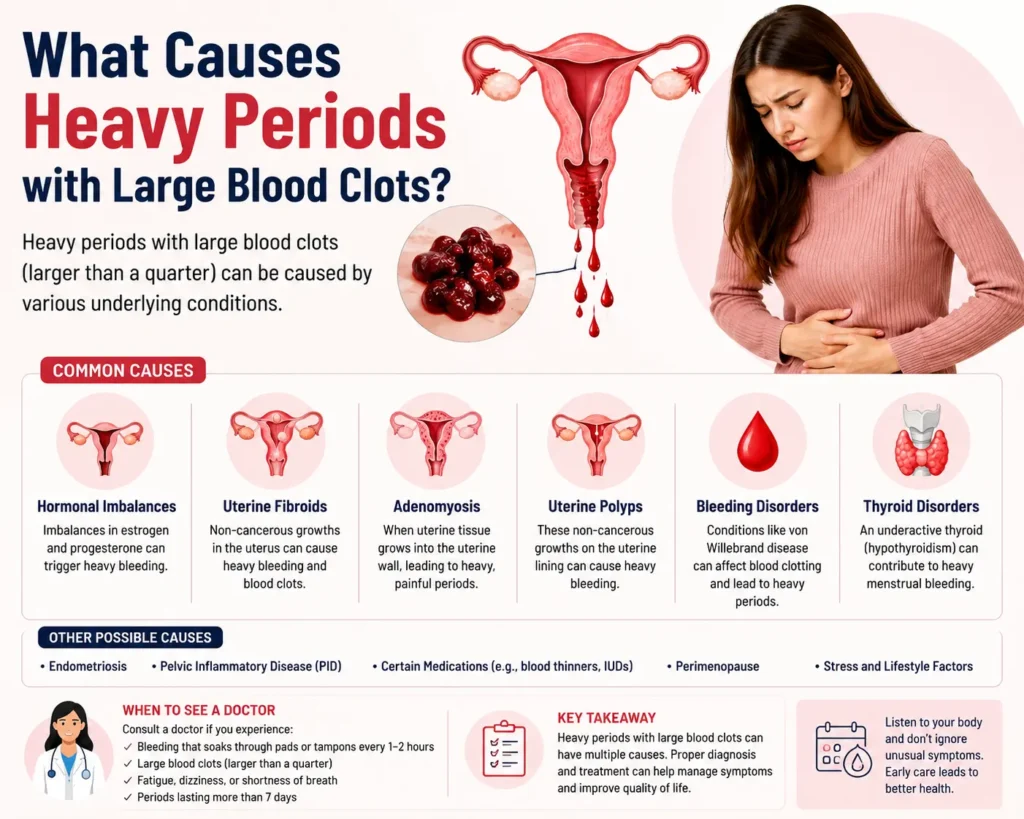
Heavy menstrual bleeding can affect far more than the menstrual cycle itself. Learn what may be causing heavy periods with blood clots and why identifying the underlying reason matters.
A period that suddenly becomes heavier than usual can be difficult to ignore, especially when large blood clots begin to appear. Many women find themselves questioning whether the change is temporary, linked to age or hormones, or a sign that something more significant may be affecting their reproductive health.
Heavy menstrual bleeding is not simply about the amount of blood lost. It can disrupt work, social activities, exercise routines, sleep, and overall wellbeing. For some women, symptoms develop gradually over time, while others notice a sudden shift in their menstrual pattern that leaves them searching for answers and wondering how to stop period bleeding that feels excessive or unpredictable.
At Well Women Clinic, concerns about heavy periods with clots are among the most common reasons women seek specialist gynaecological care. Understanding the possible causes behind heavy bleeding is an important first step towards finding appropriate support, identifying any underlying conditions, and exploring suitable options for heavy periods treatment in London.
Why Large Blood Clots During a Period Should Not Be Ignored
Menstrual blood clots are the body’s natural way of preventing excessive blood loss. While small clots can occur during normal periods, larger or more frequent clots may suggest heavier-than-expected menstrual bleeding.
What is considered normal?
Small clots are usually:
- Less than the size of a 10p coin
- Seen occasionally during the heaviest days of a period
- Not accompanied by significant symptoms
Signs that may need attention
Women experiencing heavy periods with clots may notice:
- Bleeding through sanitary products every 1–2 hours
- Needing double protection during the day or night
- Passing clots larger than a grape
- Feeling fatigued, weak, or experiencing shortness of breath
- Periods lasting longer than seven days
These symptoms do not necessarily point to a serious underlying condition. However, they may signal that further investigation would be beneficial.
Understanding the difference between normal menstrual variation and abnormal bleeding is often the first step towards finding answers. Recognising these changes early can make future management decisions easier and more effective.
Common Reasons for Heavy Periods with Clots
Heavy bleeding rarely happens without a reason. In many cases, hormonal, structural, or age-related changes contribute to heavy periods with clots.
Different causes can produce similar symptoms, which is why diagnosis is often more important than self-diagnosis. Looking at the most common contributors can help women understand why their menstrual patterns may have changed.
Hormonal Imbalances and Irregular Ovulation
Hormones help control the development and shedding of the uterine lining. When these hormones fluctuate unexpectedly, the lining can become thicker than usual before being shed during menstruation.
Common hormonal causes include:
- Polycystic ovary syndrome (PCOS)
- Thyroid disorders
- Significant weight changes
- Chronic stress
- Irregular ovulation
A thicker uterine lining often leads to heavier bleeding and larger clots. This is one reason many women search online for how to stop period bleeding when symptoms become difficult to manage.
Hormonal causes are often treatable once identified. Proper assessment helps determine whether hormone fluctuations are contributing to abnormal bleeding patterns.
Fibroids and Uterine Polyps
Fibroids and polyps are among the most common structural causes of heavy menstrual bleeding. These non-cancerous growths can affect how the uterus contracts and sheds its lining.
| Condition | Description | Possible Symptoms |
| Fibroids | Growths within or around the uterus | Heavy bleeding, pelvic pressure, clots |
| Polyps | Small tissue growths in the uterine lining | Irregular bleeding, spotting, heavy periods |
Women with fibroids frequently report heavy periods with clots that worsen over time. The size and location of these growths often influence symptom severity.
Ultrasound imaging can help identify whether fibroids or polyps are present. Knowing the exact cause allows treatment decisions to be tailored to individual needs.
Adenomyosis
Some menstrual conditions develop within the uterine wall itself. Adenomyosis develops when tissue resembling the uterine lining grows into the muscular wall of the uterus.
Women may experience:
- Very heavy bleeding
- Severe period pain
- Pelvic discomfort
- Enlarged uterus
- Passing large blood clots
This condition is often identified in women approaching menopause and may contribute to heavy periods perimenopause. Symptoms can gradually become more noticeable over several years.
Although adenomyosis can be challenging to recognise initially, modern imaging techniques have improved diagnosis. Earlier identification often helps women better understand their symptoms and available management options.
Endometriosis
Endometriosis occurs when tissue similar to the uterine lining grows outside the uterus. Although it is commonly associated with pelvic pain, some women may also experience heavy menstrual bleeding and clotting.
Common symptoms may include:
- Painful periods
- Pelvic pain between periods
- Pain during intercourse
- Fertility concerns
- Heavy periods with clots
Because its symptoms can overlap with other gynaecological conditions, endometriosis may not always be recognised immediately. Identifying the condition early can help women access appropriate support and management options.
Bleeding Disorders
In some cases, heavy menstrual bleeding may be linked to an underlying bleeding disorder. These conditions affect the body’s ability to form blood clots properly, which can result in prolonged or excessive bleeding during periods.
Women with a bleeding disorder may also experience:
- Easy bruising
- Frequent nosebleeds
- Bleeding gums
- Excessive bleeding after surgery or dental procedures
Heavy periods can sometimes be the first noticeable sign of a clotting disorder. A thorough medical assessment can help determine whether an underlying bleeding condition is contributing to menstrual symptoms.
How Perimenopause Can Affect Menstrual Bleeding
The years leading up to menopause can bring significant hormonal changes. These fluctuations affect ovulation, which in turn influences the menstrual cycle.
Many women experiencing heavy periods perimenopause notice:
- Longer cycles
- Shorter cycles
- Unpredictable bleeding
- Increased clotting
- Heavier flow than usual
Hormonal shifts during perimenopause may cause the uterine lining to build up more than normal. When the lining sheds, bleeding can become heavier and clotting more noticeable.
Not every change should be dismissed as a normal part of ageing. Persistent symptoms deserve attention because other gynaecological conditions can occur during the same life stage.
Can Heavy Periods Affect Fertility?
For some women, heavy bleeding is more than a menstrual inconvenience. It may also be linked to conditions that can influence fertility and reproductive health.
The relationship between menstrual health and fertility often depends on the underlying cause rather than the bleeding itself.
Conditions that may impact fertility
- Endometriosis
- PCOS
- Large fibroids
- Adenomyosis
- Ovulation disorders
Women planning a pregnancy may benefit from discussing persistent menstrual changes with a specialist. Investigating symptoms early can provide valuable information about reproductive health.
Heavy bleeding does not automatically mean fertility problems will occur. However, understanding the cause may help women make informed decisions about future family planning.
How Doctors Investigate Heavy Menstrual Bleeding
Receiving a diagnosis often begins with a detailed discussion about symptoms and menstrual history. The aim is to understand not only the bleeding itself but also its impact on everyday life.
A specialist assessment may include:
Step 1: Medical History
Questions may cover:
- Cycle length
- Bleeding duration
- Clot size
- Pregnancy history
- Family medical history
Step 2: Blood Tests
Blood tests may help assess:
- Iron levels
- Anaemia
- Thyroid function
- Hormonal factors
Step 3: Imaging
An ultrasound scan may identify:
- Fibroids
- Polyps
- Adenomyosis
- Ovarian abnormalities
Women seeking a gynaecologist for heavy periods in London often benefit from this structured diagnostic approach. Identifying the underlying cause helps ensure treatment decisions are based on clear clinical findings.
Accurate diagnosis reduces uncertainty and provides a clearer path forward. It also helps avoid treatments that may not address the root cause of symptoms.
What Are the Available Treatment Options
Treatment is not the same for every woman. Factors such as age, reproductive goals, symptom severity, and medical history all influence the recommended approach.
Women exploring heavy period treatment in London are often surprised to learn that several management options may be available.
Lifestyle Support
Some supportive measures may include:
- Maintaining a balanced diet
- Monitoring iron intake
- Managing stress levels
- Tracking menstrual patterns
Women searching for how to stop period bleeding should remember that lifestyle changes alone may not resolve an underlying condition. Professional assessment remains important when symptoms persist.
Medical Treatments
Depending on the diagnosis, treatment may involve:
- Hormonal medications
- Non-hormonal medications
- Intrauterine systems
- Treatments targeting specific conditions
Procedural Options
Certain structural conditions may require:
- Polyp removal
- Fibroid treatment
- Other specialist procedures
Women seeking heavy period treatment in London often receive personalised recommendations based on their individual circumstances. The goal is to improve the quality of life while addressing the cause of abnormal bleeding.
When Should Someone See a Specialist
Occasional variations in menstrual flow can occur naturally. However, ongoing heavy bleeding should never be accepted simply because it has become familiar.
Consider seeking medical advice if:
- Bleeding affects daily activities
- Large clots occur regularly
- Symptoms continue for several months
- Fatigue becomes significant
- Pregnancy is being planned
Women looking for a gynaecologist for heavy periods in London may benefit from assessment when symptoms begin affecting their wellbeing or reproductive goals. Early evaluation can often provide reassurance while identifying any underlying concerns.
Seeking support is not an overreaction to menstrual symptoms. Understanding what is happening within the body is an important part of maintaining long-term reproductive health.
A Specialist Approach to Menstrual Health Concerns
Heavy menstrual bleeding with large blood clots can occur for several reasons, ranging from hormonal fluctuations and structural changes within the uterus to conditions such as fibroids, adenomyosis, and endometriosis. While occasional changes in menstrual flow may not always indicate a serious problem, persistent symptoms should not be overlooked, particularly when they begin to affect daily life, energy levels, or overall wellbeing.
Understanding why menstrual bleeding patterns have changed is often the first step towards effective management, and this is a central focus at Well Women Clinic. Their specialists provide evidence-based guidance to help women better understand their reproductive health and available treatment pathways.
Every woman’s experience is different, which is why professional guidance can be valuable when symptoms continue or become increasingly difficult to manage. If concerns about heavy periods with clots are affecting quality of life, scheduling a consultation can be an important step towards gaining clarity, reassurance, and personalised support.