



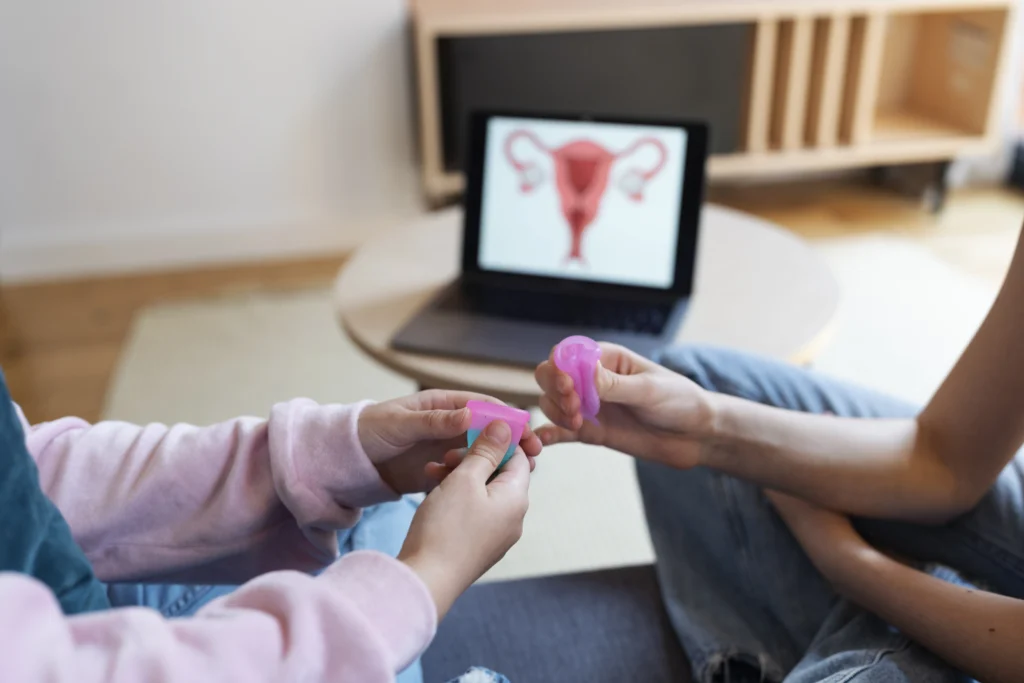
Curious about what happens to your body and cycles after stopping birth control? This guide walks you through the changes and how to navigate them smoothly.
Deciding to stop birth control is a personal choice influenced by factors like planning for pregnancy, side effects, or lifestyle changes. Understanding what happens after stopping birth control helps you prepare for your body’s response.
Your body may take time to adjust to natural hormone levels, and changes in cycles, mood, or physical symptoms are common. Being aware of these shifts can reduce anxiety and help you manage the process effectively.
From changes in your menstrual cycle to shifts in fertility and emotional well-being, knowing what to expect ensures you can navigate this transition with confidence. Paying attention to your body and staying informed can make the process smoother and less stressful.
Hormonal Changes After Stopping Birth Control
When you stop taking birth control, your body begins adjusting to natural hormone levels. This transition can bring noticeable shifts, and being aware of them helps you better understand your body. These hormonal changes can affect your cycle, mood, and overall well-being.
- Return of Ovulation
- Your ovaries may start releasing eggs again within weeks.
- Timing can vary depending on your previous cycle and the type of birth control used.
- Fluctuating Hormone Levels
- Estrogen and progesterone levels may rise and fall as your body readjusts.
- This can cause temporary changes in mood, energy, and menstrual flow.
- Impact on Physical Symptoms
- Some people notice breast tenderness, bloating, or acne as hormones normalize.
- These symptoms usually stabilize after a few cycles.
Being aware of these hormonal changes not only helps you anticipate what’s normal after stopping birth control, but also allows you to respond effectively if any symptoms feel unusual or persistent.
Fertility and Pregnancy Considerations
Stopping birth control can affect your fertility in different ways, and the timing can vary from person to person. Understanding these changes helps you prepare and make informed choices about your reproductive health.
- Fertility can return quickly, even if your periods are still irregular.
- Ovulation may resume within weeks, making conception possible sooner than expected.
- Some people assume they can’t get pregnant immediately, but this is a misconception.
- Tracking your cycle can help you accurately identify your fertile days.
- Maintaining a healthy lifestyle supports reproductive health and conception.
Being aware of these fertility changes after stopping birth control allows you to plan effectively, respond confidently to your body’s signals, and take steps to support your reproductive goals.
Physical and Emotional Symptoms
After stopping birth control, your body and mood may experience temporary changes. Recognizing these symptoms can help you understand what’s normal during this transition. Paying attention to how your body responds helps you adjust your routine and manage discomfort effectively.
- Physical Symptoms
- Breast tenderness or swelling
- Bloating or mild cramps
- Changes in skin, such as acne flare-ups
- Irregular or spotting periods
- Emotional Symptoms
- Mood swings or irritability
- Changes in libido or sexual desire
- Fatigue or low energy
- Heightened sensitivity or anxiety
Most of these symptoms are temporary as your body readjusts. Paying attention to both physical and emotional changes after stopping birth control helps you manage them effectively and seek guidance if needed.
Tips for a Smooth Transition
Adjusting to life after stopping birth control can feel overwhelming, but small, practical steps can make the process easier. Focusing on your health and tracking changes helps your body stabilize. Gradually adopting healthy habits and observing your body’s responses can make the transition more comfortable and predictable.
- Take note of your cycles and any symptoms in a journal or app.
- Maintain a balanced diet and stay hydrated to support hormonal balance.
- Exercise regularly to manage mood swings, bloating, and energy levels.
- Consult a healthcare provider if irregularities persist or you have concerns.
- Be patient, your body may take a few months to fully adjust.
Following these tips can make the transition smoother and help you better understand your body as it naturally readjusts. Staying consistent with healthy habits and monitoring changes ensures you navigate this period confidently.
Guidance and Support Every Step of the Way
Life after stopping birth control can bring noticeable changes to your body and cycles. Your periods, fertility, and even mood may shift as your hormones return to their natural balance. Understanding these changes helps you respond appropriately and stay confident in your body’s process.
If you need expert guidance during this transition, Well Women Clinic is here to help. Our team can provide clear advice, answer your questions, and support you in managing any symptoms or concerns.
We focus on empowering you with the knowledge and care you need. By staying informed and supported, you can navigate these changes smoothly and take control of your reproductive health. Our team, including a private gynaecologist in London, is always available to provide guidance and answer any questions you may have along the way.
