



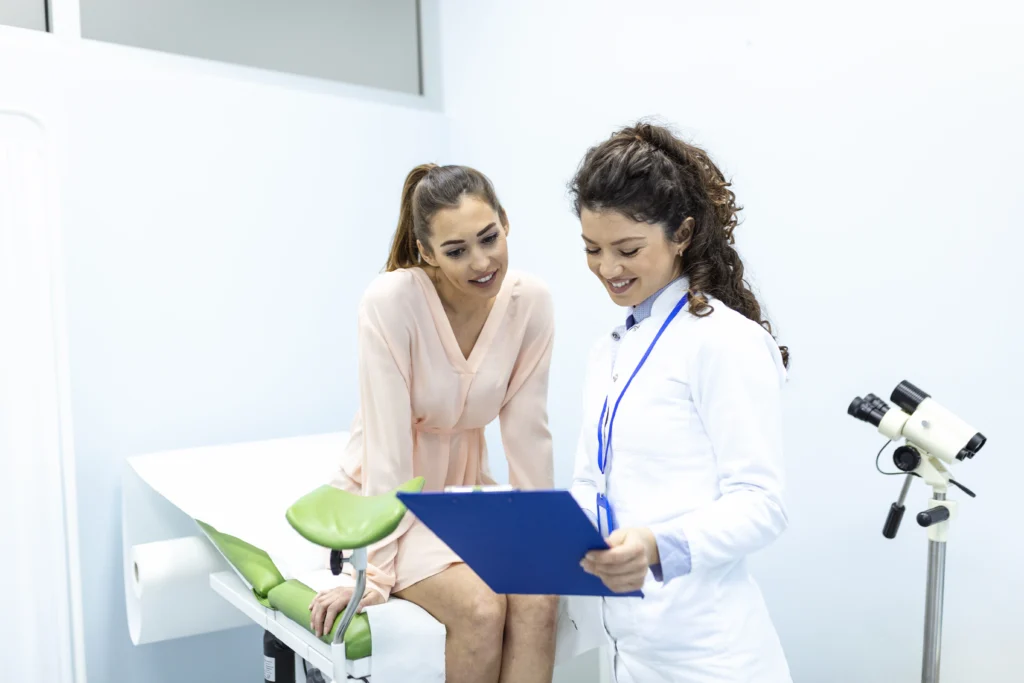
Feeling anxious about a gynaecology visit? Learn about what to expect in the gynae exam to feel prepared, comfortable, and confident throughout the process.
Regular gynaecology exams are essential for maintaining women’s health. They help detect issues early, provide reassurance, and allow you to discuss any concerns about your reproductive system. Understanding the process can make these visits less intimidating.
Many women feel nervous or unsure about what happens during a gynaecology exam. Questions about procedures, discomfort, or privacy are common, and being informed ahead of time can reduce anxiety.
This guide explains what to expect in the gynae exam, from preparation and consultation to the physical check-up and follow-up advice. Knowing each step helps you feel more confident and comfortable during your visit.
Preparing for Your Gynaecology Exam
Being prepared can make your gynaecology visit smoother and less stressful. Small steps before your appointment help both you and your doctor get the most out of the exam.
- Bring Your Medical History: Include information about past surgeries, medications, and any chronic conditions.
- Note Your Menstrual Cycle: Record the start and end dates of your last period, any irregularities, or symptoms you’ve experienced.
- Prepare Questions or Concerns: Write down any symptoms, discomfort, or health concerns you want to discuss.
- Dress Comfortably: Wear clothing that is easy to remove or adjust during the physical exam.
- Mentally Prepare: Take deep breaths, relax, and remind yourself that the exam is routine and for your health.
Taking these steps ensures you feel confident and ready, making it easier to focus on your health and communicate effectively with your doctor. It also lets you make the most of your visit and receive accurate guidance for your well-being.
The Initial Consultation
The first part of a gynaecology exam usually involves a conversation with your doctor. This helps them understand your health history and address any concerns before the physical exam begins.
- Discussing Your Medical History
Your doctor will ask about past surgeries, medications, menstrual cycle patterns, and any chronic conditions. This information helps tailor the exam to your needs.
- Sharing Symptoms and Concerns
You can openly discuss any discomfort, irregular periods, pain, or changes you’ve noticed. Being honest ensures accurate assessment and care.
- Lifestyle and Preventive Questions
Doctors may ask about diet, exercise, sexual health, and family planning. This helps identify risk factors and create a comprehensive health plan.
This consultation sets the foundation for the rest of the exam, ensuring it’s personalized, effective, and focused on your health.
Physical Examination Process
During a gynaecology exam, the physical check-up is an important part of assessing your overall reproductive health. Each step is routine and designed to ensure your health.
- The doctor begins with a general physical check-up, including measuring blood pressure and assessing overall health.
- A breast exam is performed to check for lumps, tenderness, or any unusual changes.
- The pelvic exam involves examining both external and internal reproductive organs for abnormalities.
- A speculum may be used to view the cervix and vaginal walls, often for sample collection or a Pap smear.
- Throughout the process, the doctor explains each step so you know what to expect in the gynae exam and why it’s necessary.
Being familiar with these steps helps reduce anxiety and allows you to focus on communicating openly with your doctor during the exam.
Pap Smear and Other Tests
During a gynaecology exam, several tests may be performed to screen for infections, abnormalities, and overall reproductive health. Understanding each test can help you feel prepared and informed.
- Pap Smear: A small sample of cells is collected from the cervix to detect early signs of cervical cancer. Results usually take a few days to weeks.
- HPV Test: Often done alongside a Pap smear, this test checks for the human papillomavirus, a major risk factor for cervical changes.
- STD Screening: Depending on your history and risk factors, tests for sexually transmitted infections may be recommended.
- Other Tests: Blood work or urine tests may be conducted to assess hormone levels, overall health, or specific concerns.
These tests provide valuable information to guide your care and detect issues early, helping you maintain optimal reproductive health.
Post-Exam Guidance
After your gynaecology exam, there are a few key steps to help you understand and act on your results. Knowing what to do afterward ensures you stay informed and proactive about your health.
- Your doctor will explain any findings and discuss next steps.
- Follow-up appointments may be recommended if tests need monitoring.
- Lifestyle advice, such as diet, exercise, or stress management, may be provided.
- Don’t hesitate to ask questions or clarify anything you didn’t understand during the exam.
Taking these steps after the exam helps you stay in control of your reproductive health and ensures you can address any concerns promptly. Keeping track of your results and following your doctor’s advice makes future visits easier and more effective.
Taking Control of Your Health Journey
Visiting a gynaecologist can feel intimidating, but knowing what to expect in the gynae exam helps you approach it with clarity and confidence. Consulting a gynaecologist specialist in London ensures you receive expert guidance, and being informed about each step—from discussion to tests—makes the experience smoother and less stressful.
For personalized guidance and support, Well Women Clinic offers expert care tailored to your needs. Our team can answer questions, explain procedures, and provide practical advice to help you make the most of your visit.
Our goal is to support you with clear guidance and practical advice. Staying informed and involved in your health journey helps you approach each exam with confidence and take proactive steps toward your reproductive well-being.
