



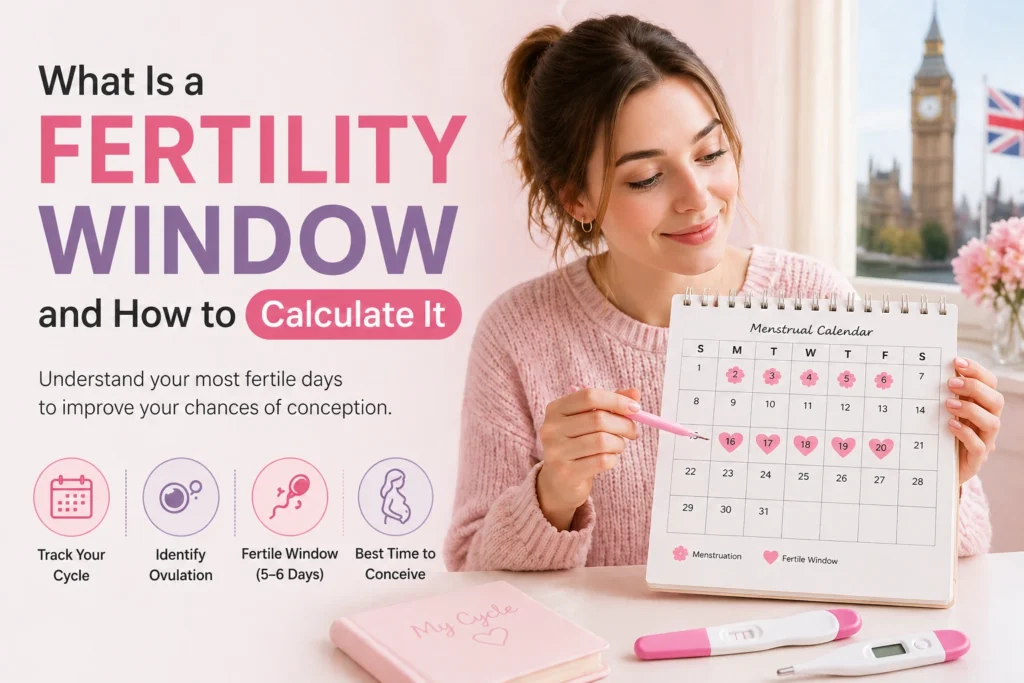
Learn what the fertility window is, how to calculate it, and expert tips to maximise your chances of conception.
Understanding the fertility window is an important step for women planning a pregnancy. The fertility window refers to the days in a woman’s ovulation cycle when conception is most likely. Knowing this time helps in making better choices about reproductive health and increases the chances of getting pregnant naturally.
Women seeking expert guidance on fertility and reproductive health can consult a gynaecologist specialist in London, such as those at Well Women Clinic, which provides private gynaecology services in areas including St John’s Wood and Harrow.
Many women are unsure how to accurately calculate this window or track ovulation, which can make family planning challenging. In the following sections, the concept of the fertility window, the role of the ovulation cycle, and practical ways to calculate the most fertile days are explained clearly and in an easy-to-understand manner.
What is a Fertility Window?
The fertility window is the specific period in a woman’s menstrual cycle when she is most likely to conceive. It usually lasts 5 to 6 days, ending on the day of ovulation, when an egg is released from the ovary. During this time, the chances of sperm meeting the egg are highest, making conception more likely.
It plays an essential role in family planning, regardless of whether one wants to conceive or not to conceive, without using any contraceptive measures. This process may depend on various aspects, including the menstrual cycle duration, hormone levels, and reproductive condition in general. The more regular the ovulation process is, the easier it is to determine when a woman will be fertile.
Accurate knowledge of the fertility window allows women to plan intercourse during the ovulation window effectively and make informed decisions about their reproductive health. The next section explains the ovulation cycle and its role in determining the fertility window.
Understanding the Ovulation Cycle
The ovulation cycle is the stage of the menstrual cycle in which an egg is released from the ovary, and pregnancy is possible. Ovulation usually takes place midway through the cycle, roughly 12 to 16 days prior to the beginning of the next menstrual cycle.
During ovulation, the body undergoes certain changes that can help identify fertile days, such as:
- A rise in basal body temperature
- Changes in cervical mucus (it becomes clearer and more slippery)
- Mild ovulation-related discomfort in some women
By tracking these signs, women can better understand their fertility window and plan accordingly. Tools like ovulation strips, fertility apps, and cycle pattern monitoring can help accurately calculate the ovulation window.
How to Calculate Your Fertility Window
Calculating the fertility window helps women identify the days when conception is most likely. While each cycle can vary, the process can be simplified into clear steps:
- Track Your Menstrual Cycle
- Begin by noting the first day of your period (Day 1) each month.
- Record the cycle length, the number of days from the start of one period to the start of the next.
- Keeping a cycle diary or using a fertility app can make this easier.
- IdentifyYour Ovulation Day
- Typically, ovulation happens 12 to 16 days prior to your next period.
- This is the day when you release the egg, and it’s important in calculating your fertile window.
- There are symptoms associated with ovulation, such as changes in vaginal discharge, an increase in basal body temperature, or mild lower abdominal pain.
- Determinethe Fertile Days
- A fertility window normally comprises the five days prior to ovulation and the day of ovulation.
- Sperm can survive for up to five days in a woman’s reproductive system, so having sex during that time increases the chances of getting pregnant.
- Use Tools for Accuracy
- Ovulation strips: Detect hormone surges that indicate ovulation.
- Fertility apps: Track cycles, predict ovulation, and highlight fertile days.
- Professional guidance: A consultation with a private gynaecologist in Harrow or St John’s Wood can provide personalised calculations, especially for women with irregular cycles.
- Monitor and Adjust
- Track multiple cycles to understand patterns.
- Adjust predictions as needed, because no two cycles are exactly the same.
- Combining tracking methods improves the accuracy of your ovulation window calculation.
Tips to Improve Chances of Conception
Knowing your fertility window is just one part of the journey. The following steps can help improve fertility and support reproductive health:
- Maintain a Balanced Diet:
Eating nutrient-rich foods like leafy greens, fruits, whole grains, and lean proteins supports ovulation and overall reproductive health. Adequate intake of folic acid, iron, and vitamin D is particularly important.
- Stay Physically Active:
Regular exercise helps maintain hormonal balance and overall wellbeing. Avoid excessive high-intensity workouts, as they can sometimes disrupt the ovulation cycle.
- Manage Stress:
High stress levels can affect ovulation and fertility. Techniques such as yoga, meditation, and deep-breathing exercises can help maintain calm and support reproductive health.
- Time Intercourse Wisely:
Engaging in sexual activity during the fertility window significantly increases the chances of conception. Tracking ovulation signs and fertile days ensures that timing aligns with the calculated ovulation window.
- Avoid Harmful Habits:
Limit the use of alcohol and caffeine, stop smoking, and avoid environmental factors that may cause negative effects on your fertility.
- Seek Expert Guidance When Needed:
Women with irregular cycles, difficulty conceiving, or underlying health concerns should consult a private gynecologist in St John’s Wood or Harrow. Professional evaluation can provide personalised advice and fertility support tailored to individual needs.
When to Seek Expert Advice
However, even with accurate identification of the fertility period and knowledge of the ovulation process, there are cases where consultation with a specialist would be necessary:
- Irregular Menstrual Cycles:
Women with irregular cycle lengths may struggle to precisely determine their fertility window. Expert guidance can provide personalised monitoring and support.
- Difficulty Conceiving:
If pregnancy does not occur after several months of trying, consulting a private gynaecologist in Harrow or St John’s Wood can help identify potential underlying causes.
- Symptoms of Concern:
Severe pelvic pain, abnormal bleeding, or other reproductive health issues should be evaluated promptly to ensure there are no underlying conditions affecting fertility.
- Personalised Fertility Planning:
The gynaecologist can provide specific guidance on how to maximise the chances of becoming pregnant, perform hormone testing, and help determine the timing of ovulation in women with irregular menstrual cycles.
- Peace of Mind:
Consultation with an expert provides comfort, certainty, and a roadmap to effective family planning.
Understanding and Using Your Fertility Window
Understanding when you’re fertile and your ovulation pattern will help you conceive. Planning your fertile days, changing your habits, and having sex at the right time can make it easier to conceive. If a woman has an irregular menstrual cycle or other issues related to her reproductive system, she should seek help from professionals.
Well Women Clinic offers expert care through experienced gynaecologist specialist in London and private gynaecologists in St John’s Wood and Harrow. The clinic provides personalised advice on fertility, ovulation tracking, and reproductive health, helping women make informed decisions and supporting them through every step of their family planning journey.
Individuals seeking professional advice on their fertility, reproductive issues, or general health should consider scheduling a consultation at Well Women Clinic for guidance and reassurance.